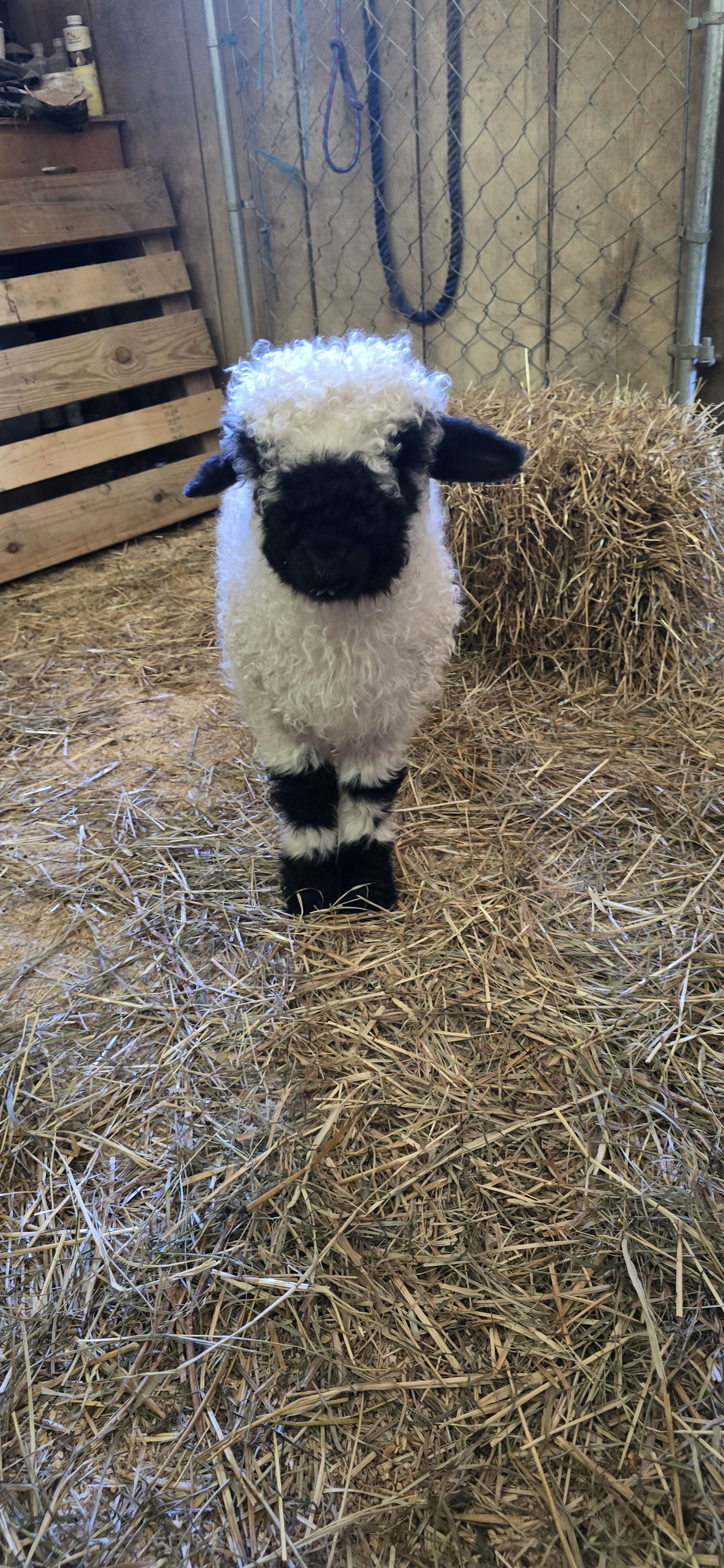
The Valais Blacknose is a breed centuries in the making. In this post we talk honestly about the breeding practices...
Latest posts
-
 Our Commitment to the True Valais BlacknoseRead more
 -
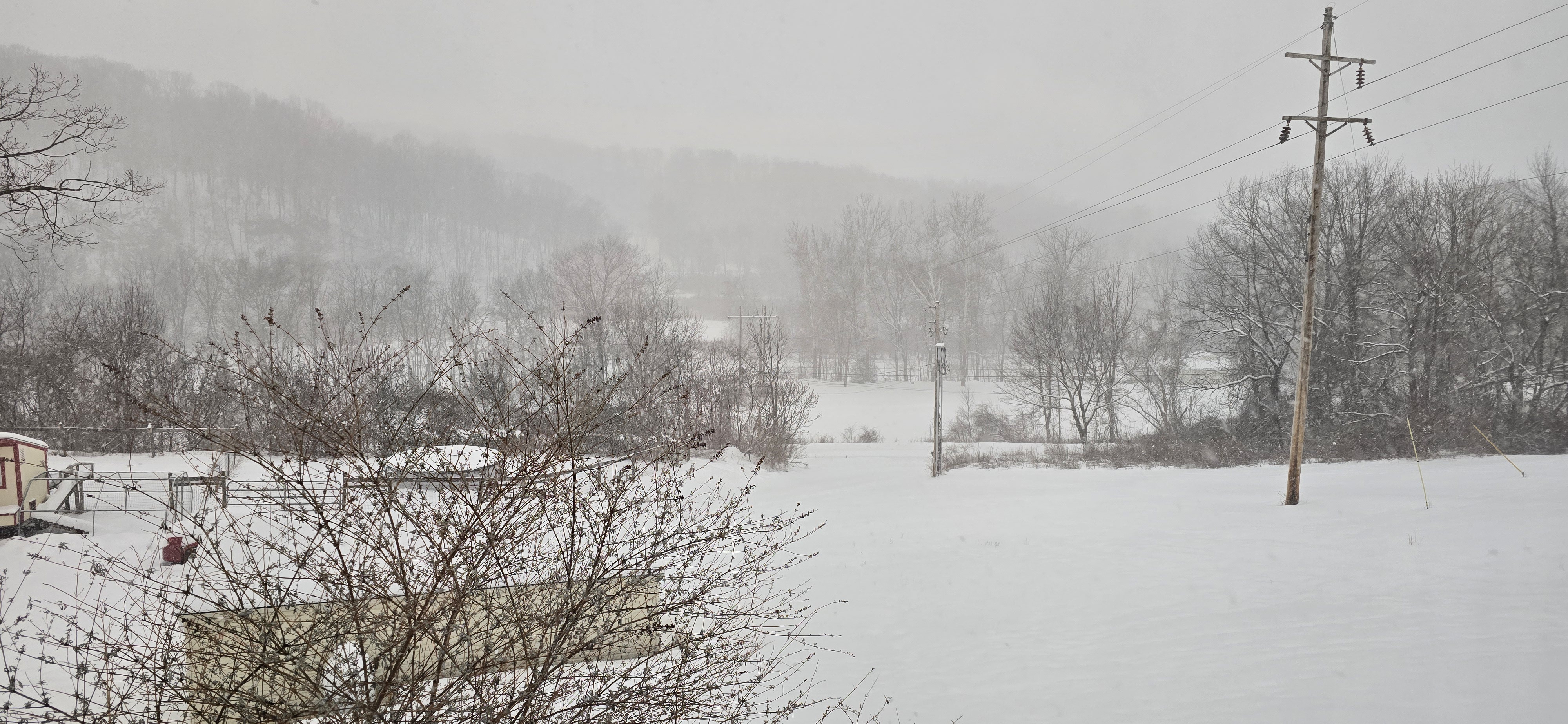 A Season of Family, Farm, and Fresh FocusRead more
A heartfelt update from the farm, sharing more time with family, our beloved animals, and continuing to craft our...
-
 Get Ready for a Flavorful November with Humming Hills Farm!Read more
Join Humming Hills Farm at four exciting Pennsylvania events this November! Discover our handcrafted infused olive...
-
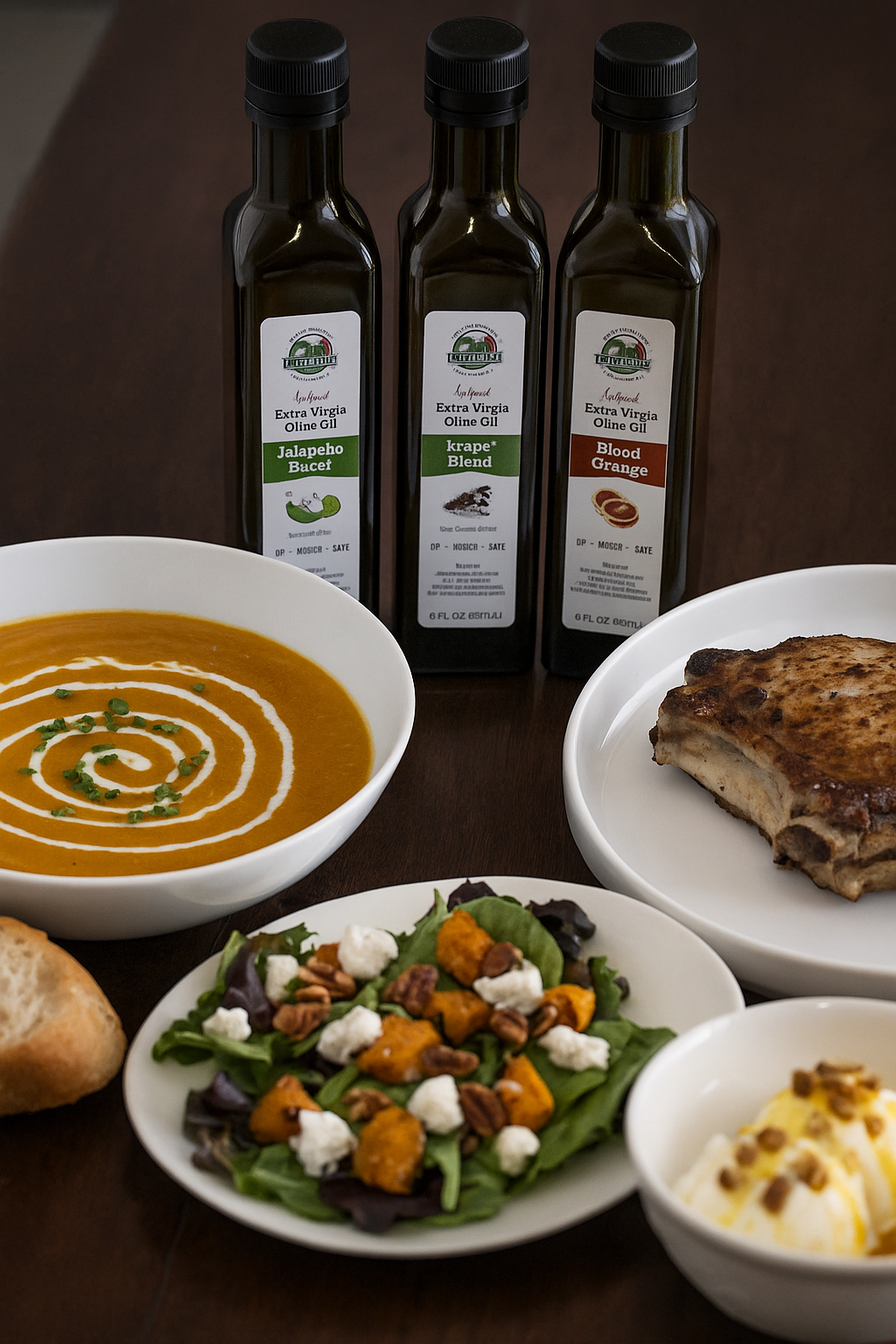 5 Creative Ways to Elevate Your Fall Dishes with Infused Olive OilsRead more
Discover five creative ways to elevate your fall dishes with Humming Hills Farm’s small-batch infused olive oils!...
-
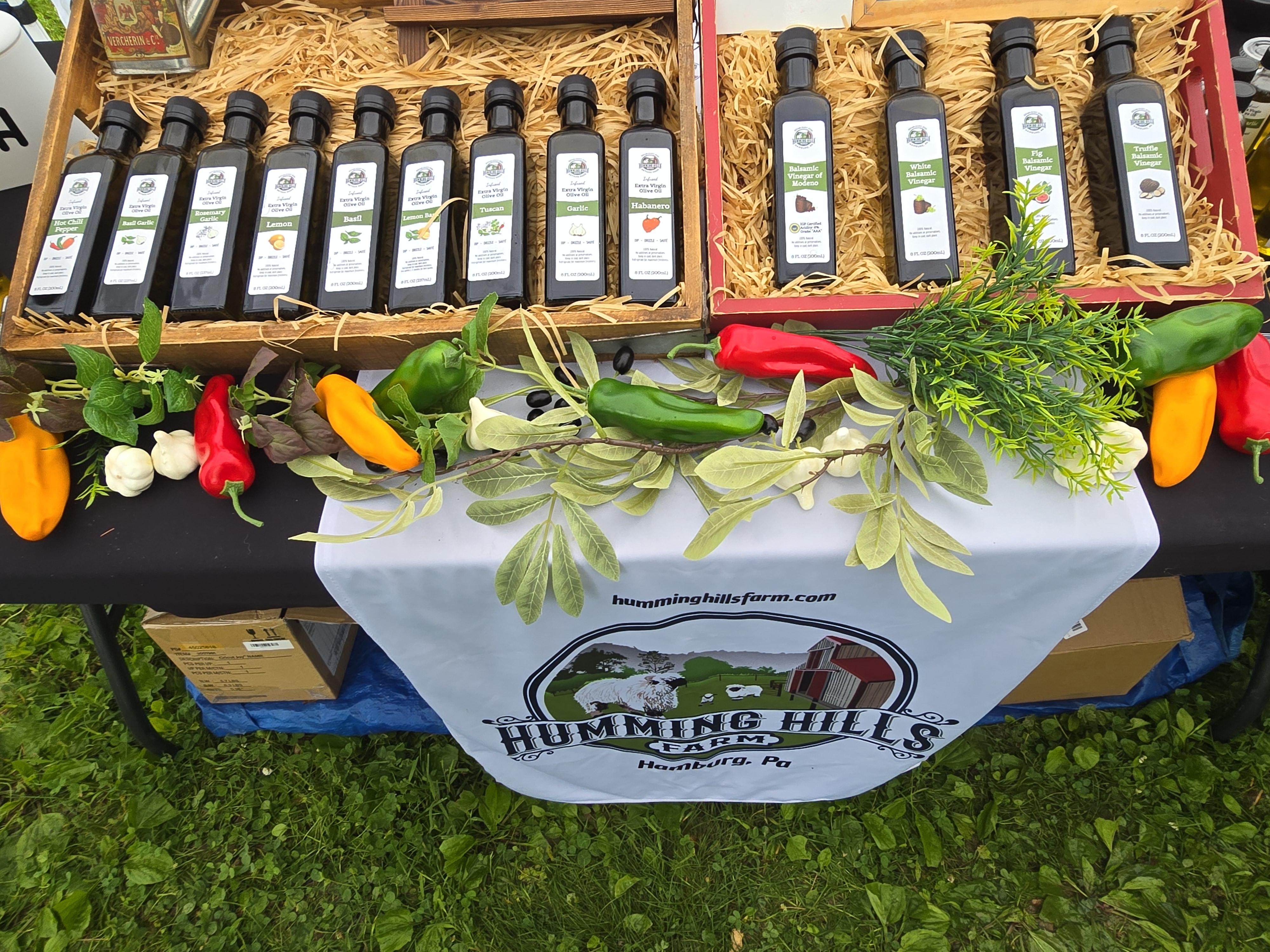 Savor the Season with Humming Hills Farm at Fall Markets!Read more
Join Humming Hills Farm at exciting fall markets across Berks and Lehigh Counties! Discover our 100% natural infused...
-
-
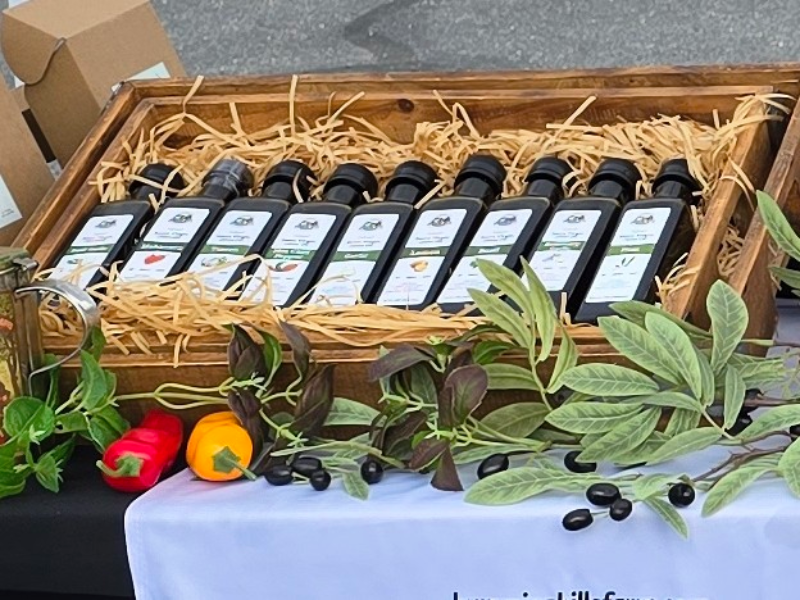 5 Techniques to Elevate Your Meals with Infused Oils and Vinegars That Will Spark Kitchen CreativityRead more
Discover the art of flavor at Humming Hills Farm’s blog! Monthly posts share creative tips and recipes using our...
-
 Humming Hills Farm Infused Oils: Pure, Clean, and Crafted with CareRead more
Discover Humming Hills Farm’s pure organic EVOO infused olive oils—clean, lab-tested, and handcrafted. Taste the...
-
 5 Rules of Infusing Flavor with Oils That Will Make Weeknight Dinners UnforgettRead more
Practical tips to make weeknight dinners unforgettable with quick, bold flavors from infused oils.
-
 Beyond the Bread: Unexpected Uses for Infused EVOORead more
Explore creative ways to use Humming Hills Farm’s infused extra virgin olive oils, from lemon aioli to habanero...
Blog categories
Search in blog
Our Commitment to the True Valais Blacknose
Why Standards Matter:
Our Commitment to the True Valais Blacknose
A conversation about genetics, integrity, and what it really means to bring an ancient Swiss breed to North America the right way.
A Breed Worth Protecting
If you've spent any time in the Valais Blacknose community online, you've probably seen the debates. Which foundation breed is best? Horned or polled? How should they be trimmed for a show? And perhaps most contentiously — does it really matter if an F3 ram is used for breeding instead of waiting for the right generation?
We think it matters enormously. And we want to explain why — and to share where Humming Hills Farm stands on all of it.
The Valais Blacknose has been mountain-adapted over centuries in the Upper Valais region of Switzerland, bred for hardiness, temperament, productivity, and those unmistakable markings. The earliest historical mention of the breed dates back to the 15th century, and they weren't formally recognized by the Swiss Sheep Breeding Association until 1962. That's hundreds of years of careful, purposeful breeding that produced the animal the world has fallen in love with. We owe it to that legacy to do this right.
"Like a fine wine, it's best when it takes time.
Shortcuts might save money today,
but they cost the breed tomorrow."
Understanding the Breed-Up Process
Because live Valais Blacknose sheep cannot be imported into the United States, the path to establishing the breed here runs through a structured breed-up program — using purebred genetics imported from the UK and New Zealand to progressively increase Valais Blacknose genetics over multiple generations. For many years, purebred semen for artificial insemination was the only option available to North American breeders. Within the past few years, however, we've gained the ability to import frozen embryos from the UK and New Zealand as well — a genuinely exciting development that can accelerate the process significantly.
Frozen embryos, when transferred into a recipient ewe, produce a lamb that is fully purebred rather than a breed-up generation. That's a remarkable leap forward. The tradeoff is cost and risk — embryo importation and transfer is expensive, and there are no guarantees a transfer will result in a live lamb. For that reason, it remains out of reach for many smaller operations, including ours at this time. But it's a tool that is changing the landscape for breeders who are able to pursue it, and it's one more reason the community needs strong standards — so that however a purebred animal arrives here, its genetics are verified and trustworthy.
Each breed-up generation, when a ewe is bred to a purebred Valais Blacknose sire, the resulting lamb carries a higher percentage of the desired genetics:
| Generation | Valais Genetics | Registry Status | Ram Use |
|---|---|---|---|
| Foundation Ewe | 0% | Foundation Ewe (recorded) | — |
| F1 | 50% | Recorded Stock | Must be wethered |
| F2 | 75% | Recorded Stock | Must be wethered |
| F3 | 87.5% | Recorded Stock | Must be wethered |
| F4 | 93.75% | Recorded Stock | Must be wethered |
| F5 / Domestic Purebred | 96.88% | Registered Stock (if breed standard met) | Eligible for breeding if registered |
Most animal geneticists recognize an animal at 96.88% as a purebred — which is why F5 is the threshold for "Domestic Purebred" status under VBSANA guidelines.
The Shortcuts That Concern Us
With the community growing rapidly online, we've seen a range of practices that worry us. Some stem from well-meaning breeders trying to move faster. Others may simply reflect a lack of awareness about why the guidelines exist. Either way, we feel it's important to name them.
Using Crossbred Rams for Breeding
An F3 ram might look stunning — excellent markings, great conformation, long wool. It's tempting. But using any F1 through F4 ram for breeding introduces compounding genetic uncertainty that undermines the entire progression. VBSANA is explicit: all breed-up rams from F1 through F4 must be castrated and wethered. Their offspring cannot be included in the registry. This isn't bureaucratic gatekeeping — it's the foundation of a sound, traceable breeding program. When we see F3 rams being put to F1 ewes, we're looking at offspring whose genetics can't be properly verified or advanced.
Spitti Rams
A Spitti is a rare Valais Blacknose sheep that has almost reverse coloring with more predominately black coloring instead of the white with black. In Switzerland, they are considered good luck. Not to be confused with "mismarked" Valais Blacknose, a Spitti is a result of a genetic variation and not from crossbreeding. Spitti rams should be castrated. A true Spitti will be a registered purebred from purebred parents and have at least 60% black coverage. VBSANA takes a firm stance: Spitti rams will not be registered, and any offspring produced by Spitti sires cannot be included in the Registered Stock database. The concern is genetic dilution and phenotypic inconsistency — traits that move the animal further from, not closer to, the true Valais standard. As exciting as it might be to lamb a Spitti, we will never breed for the hopes of creating more Spitti Valais.
The Horned vs. Polled Debate
True Valais Blacknose sheep are horned — both ewes and rams carry large, distinctive helical or spiral-shaped horns. This is a defining characteristic of the breed standard. VBSANA acknowledges that scurs may appear as a practical reality when polled foundation breeds are used, but the standard is clear: properly formed, balanced helical horns are correct and expected. We began our program with horned Dorset ewes specifically to stay as aligned as possible with the breed's physical characteristics from the very start.
Trimming and Presentation
The Valais Blacknose is known for its long, flowing wool — those gorgeous, shaggy locks that define the breed's look. Fitted trimming hides what makes these animals so special. Show standards should celebrate the Valais Blacknose for exactly what it is. We choose to let our sheep be what they are.
Our Journey at Humming Hills Farm
Our Story
From Foundation to F4 — and Beyond
We began this adventure in September 2021, when we brought home three horned Dorset foundation ewes. From the very first generation, we committed to using only purebred Valais Blacknose semen sourced from the New Zealand through artificial insemination at each step. It has been a slow road — but we have never wavered from the principle that every step forward had to be a genuine one: verified, documented, and true to the standard.
This year, 2026, we've reached a milestone we couldn't be more proud of: our first F4 lambs. Thanks to the generosity of Betsy Myers of Valais at Grateful Acres, who loaned us her F3 ewe Ilene for an AI cycle using Stratheden Gabriel semen from New Zealand, we welcomed triplet F4 lambs — two ewes and one ram. Those two ewe lambs are 93.75% Valais Blacknose. When they are ready, we will breed them again with purebred semen and produce our first F5 — our first Domestic Purebred Valais Blacknose. We are one generation away from a goal we've been building toward since 2021.
As for the F4 ram lamb — he is beautiful, with excellent markings and conformation, and we adore him. But he will be wethered. The integrity of this breed depends on every breeder making that call when it's their turn. We hold to it without hesitation. Nilsson is available if anyone would want him as a pet or companion to a ram and he is also available as part of a package with two other wethers from fellow breeders.
Why It Matters — And What You Can Do
The Valais Blacknose breed in North America is still young. The decisions made now will define the genetic foundation of every animal descended from our flocks. VBSANA exists to support breeders in maintaining that standard — their registry, DNA verification requirements, and breed-up policies exist so that a Valais Blacknose certificate in North America actually means something. We encourage every breeder to engage with VBSANA, register their animals, and use their resources.
At Humming Hills Farm, our commitment is simple: follow the Swiss standard as closely as we can, use only purebred genetics and verified processes, and take the long view. It is slower. It is more expensive. And we believe it is absolutely worth it.
We welcome visitors to come meet our sheep and our Kune Kune pigs in person — there is nothing quite like seeing these animals up close. If you're interested in visiting or following our journey to F5, we'd love to hear from you.
Thank you for caring about this breed as much as we do.
Follow Our Journey
Stay up to date with our lambing seasons, breeding milestones, and farm visits with Valais at Humming Hills Farm.
Humming Hills Farm · Valais Blacknose Sheep & Kune Kune Pigs · Infused Olive Oils & Finishing Salts © 2026
Posted in:
Default category
Related posts
-
 New Blog Intro
October 8, 2024Read more
New Blog Intro
October 8, 2024Read more -
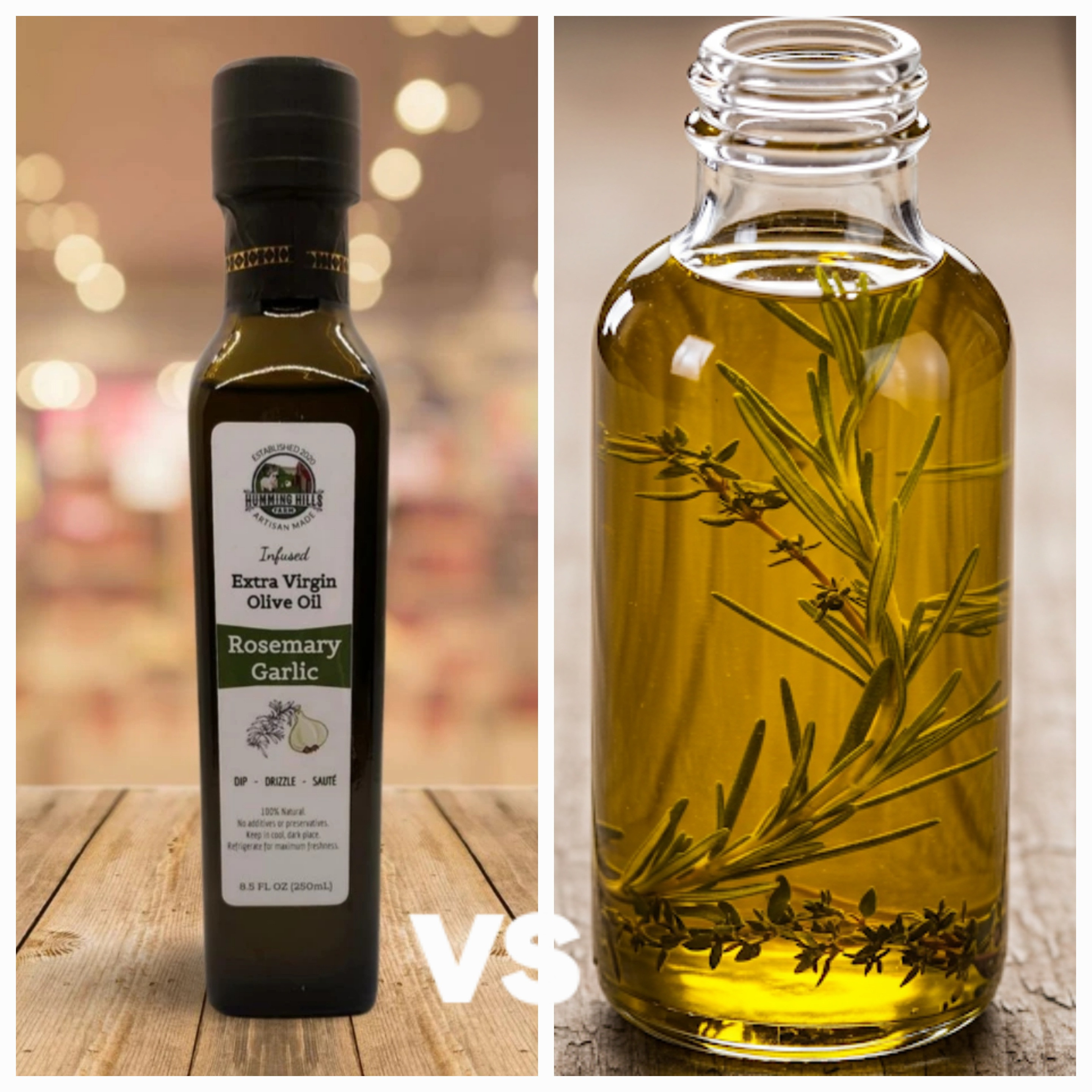 Pretty vs. Practical: Crafting Infused Oils That Endure
2/28/2025 Ours VS Theirs. We only produce the highest quality! If we don't want it, we won't let you have it, either.Read more
Pretty vs. Practical: Crafting Infused Oils That Endure
2/28/2025 Ours VS Theirs. We only produce the highest quality! If we don't want it, we won't let you have it, either.Read more -
Beyond the Bread: Unexpected Uses for Infused EVOO
Explore creative ways to use Humming Hills Farm’s infused extra virgin olive oils, from lemon aioli to habanero...Read more
-
5 Rules of Infusing Flavor with Oils That Will Make Weeknight Dinners Unforgett
Practical tips to make weeknight dinners unforgettable with quick, bold flavors from infused oils.Read more
-
Humming Hills Farm Infused Oils: Pure, Clean, and Crafted with Care
Discover Humming Hills Farm’s pure organic EVOO infused olive oils—clean, lab-tested, and handcrafted. Taste the...Read more
Leave a comment